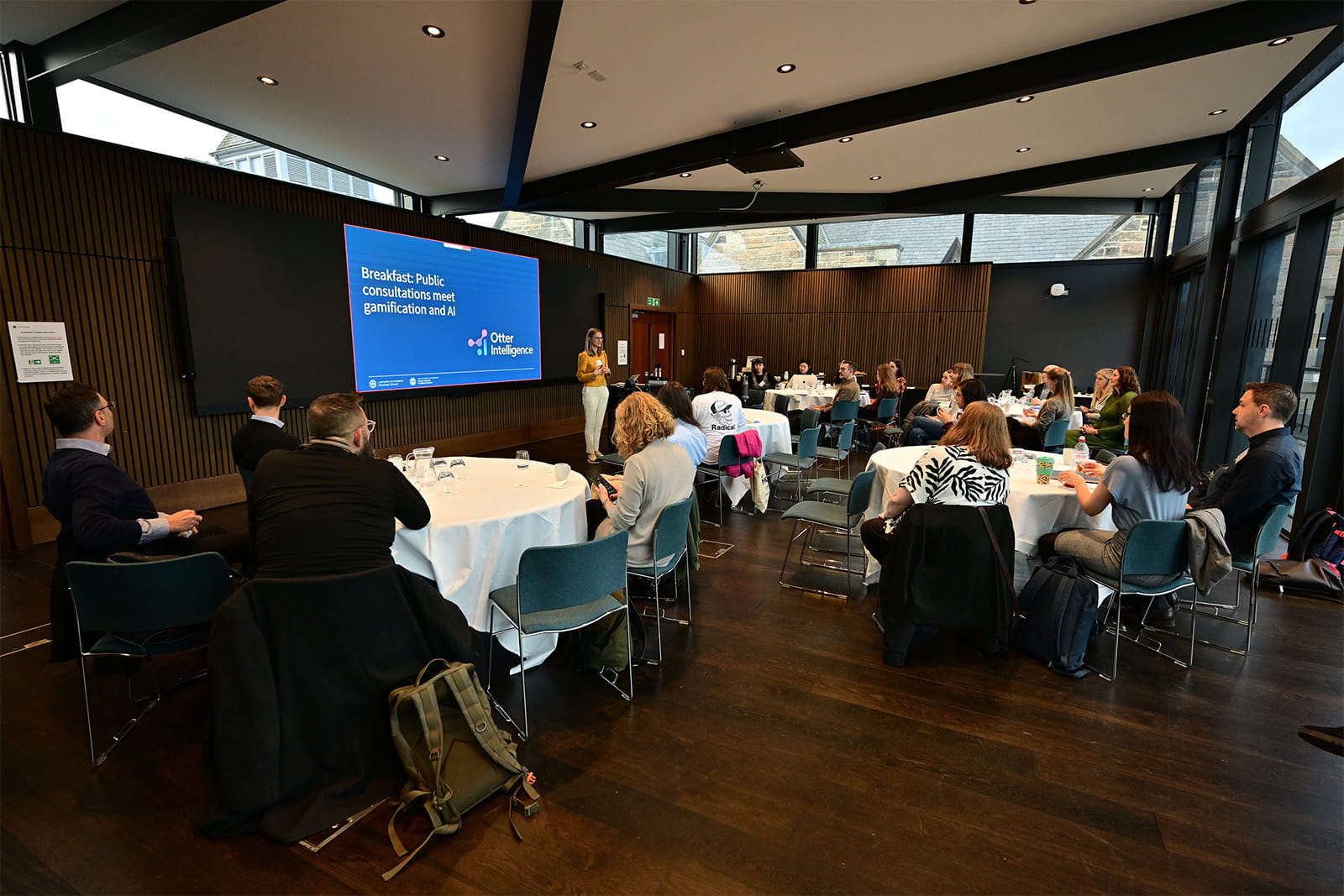
The problem with traditional consultations
Agnessa opened by describing the core challenge the project was built to address. Public consultations too often attract only the same small group of vocal residents, the "usual suspects" who show up to town hall meetings, while the silent majority goes unheard. Local authorities are strapped for funding and struggle to reach ethnic minorities, younger people, and those who find formal settings intimidating.
The consequence is skewed evidence. The vocal minority creates the impression that their view is the community consensus, and local authorities act on it, sometimes failing to deliver things that would benefit many more people. The project began when Agnessa and her team, working with the Lake District on sustainable transport, started asking what a fundamentally different kind of consultation might look like.
Quite often the vocal minority makes an impression that this is the opinion of the silent majority. When local authorities hear this opinion, they think that's what the public wants, and things that might benefit a lot of people don't happen because of that.Agnessa Spanellis, Senior Lecturer, University of Edinburgh
The Otter Intelligence game
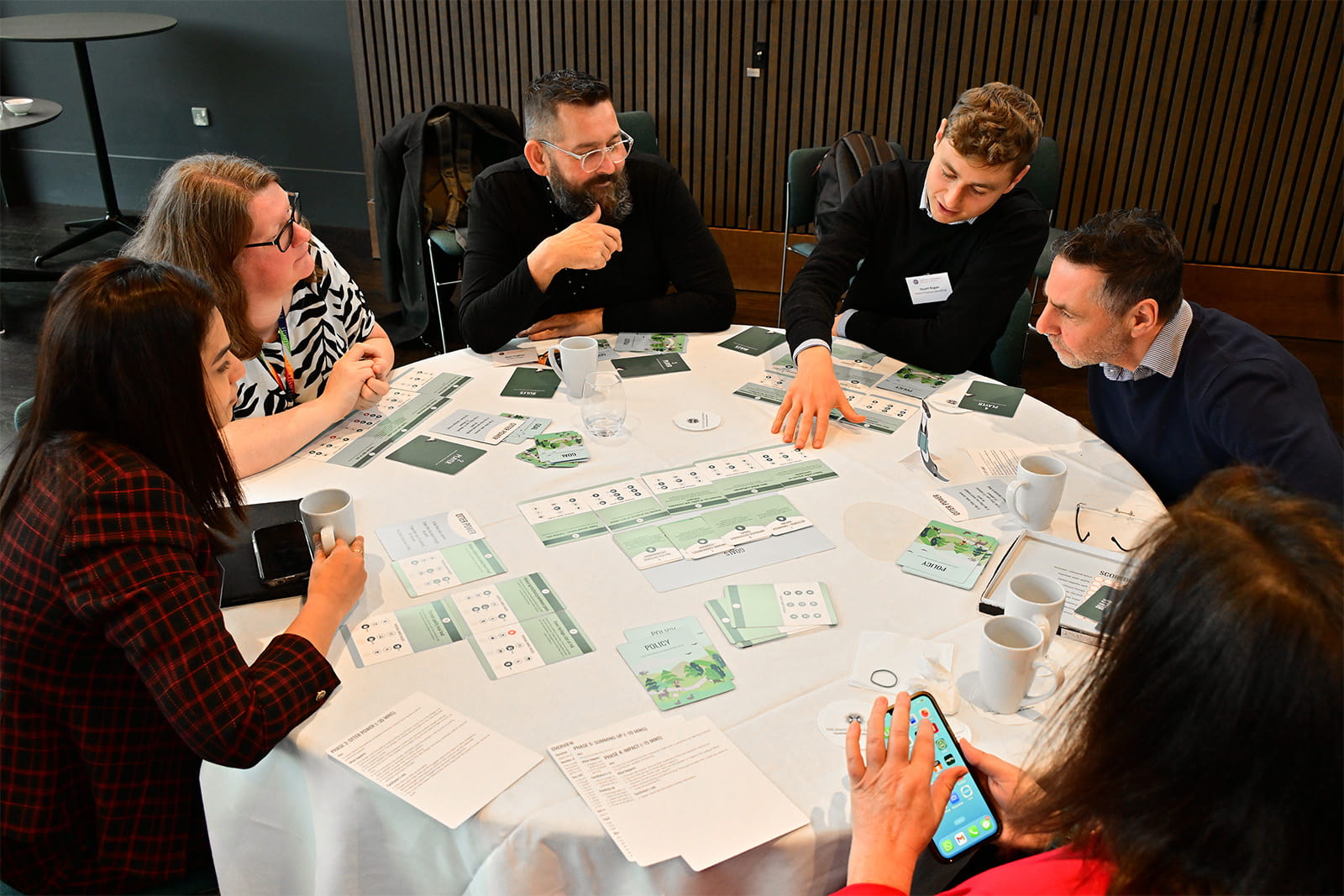
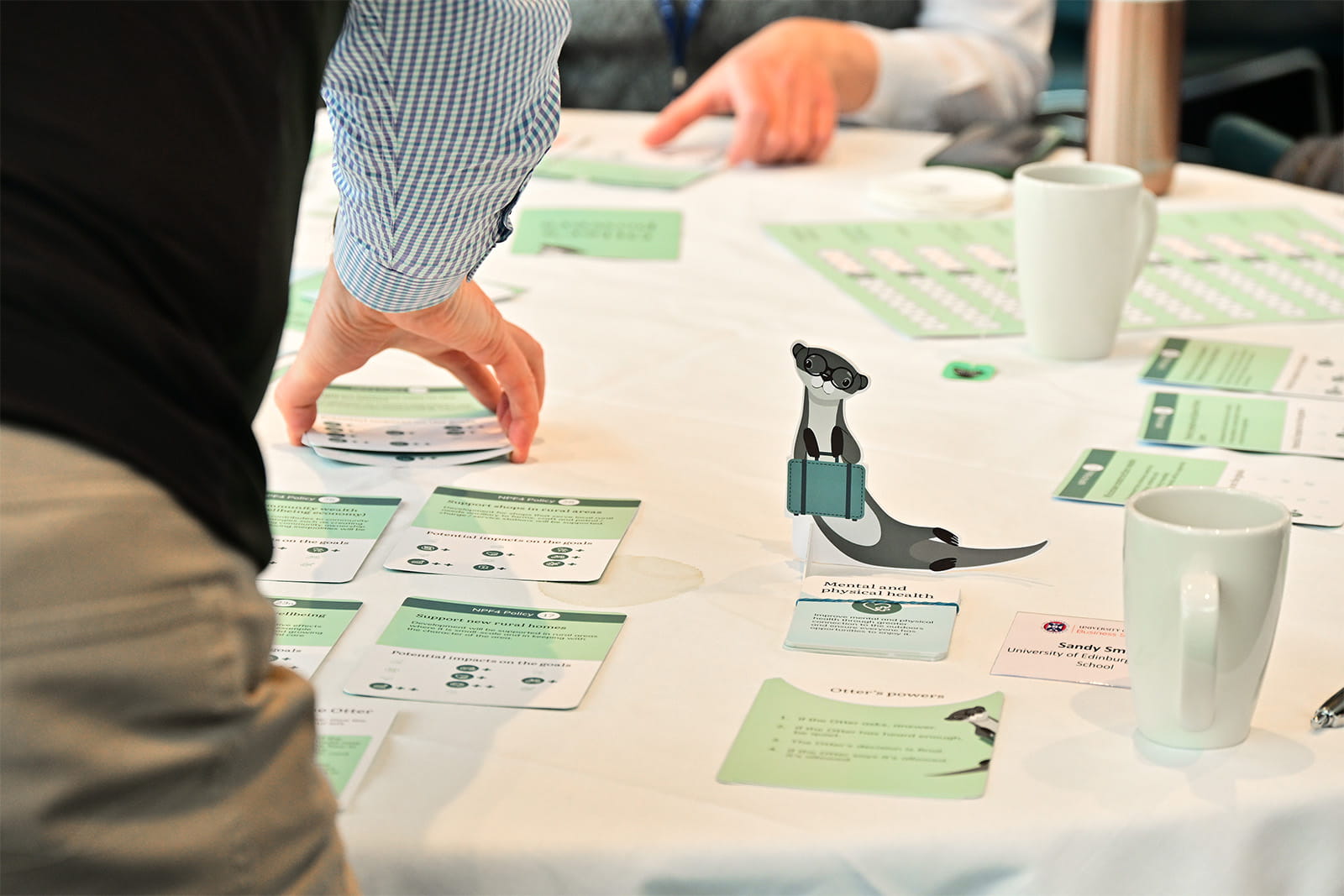
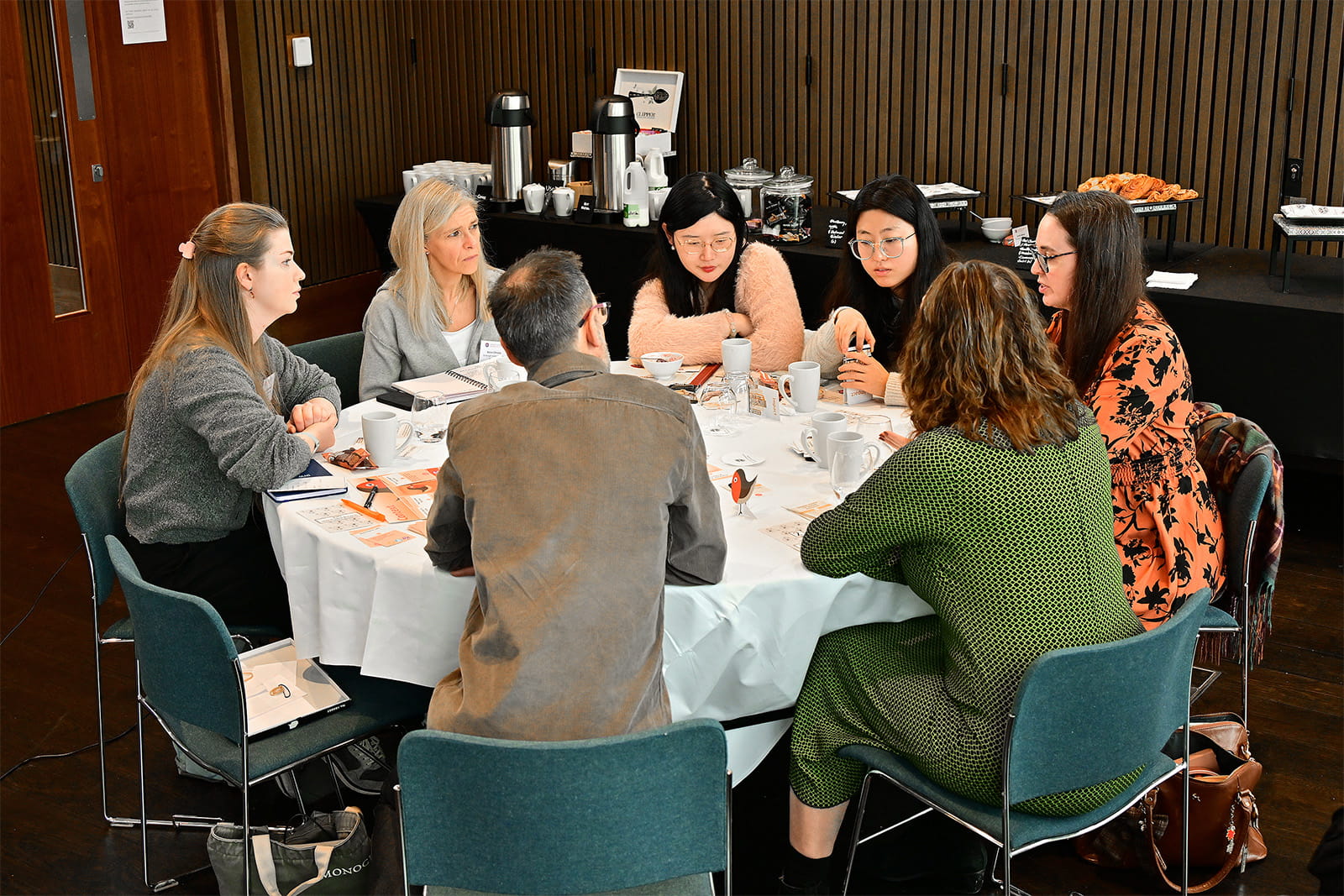
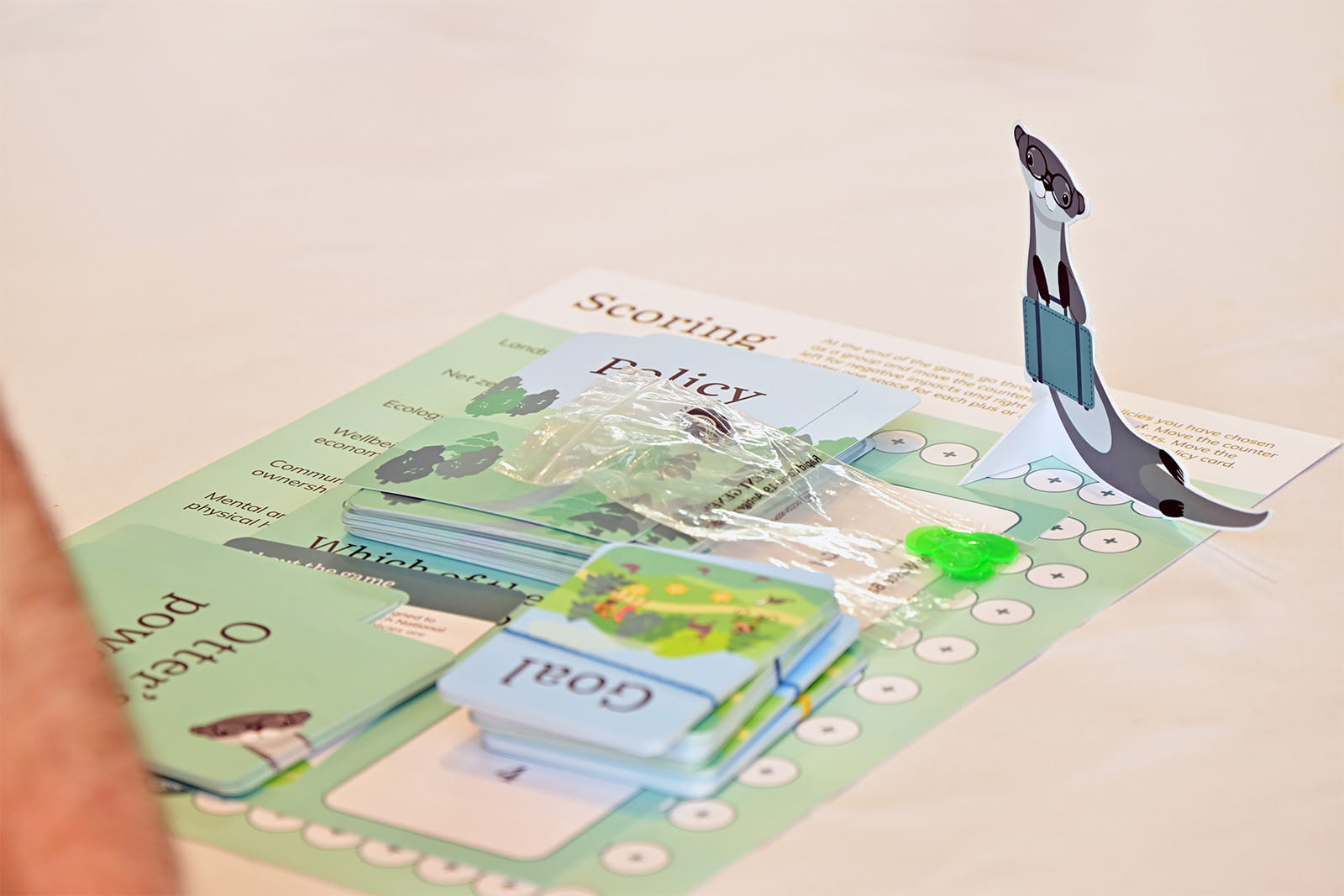
The answer was a physical board game called Otter Power. Designed for four to six people, it is self-facilitated: participants work through numbered instruction cards and by instruction five they know how to play without needing a dedicated facilitator at every table. A small otter token guides turn-taking, ensuring every voice at the table gets equal time to speak, listen, and reflect. The otter was chosen deliberately to represent a policymaker that feels friendly, gender-neutral, and approachable to everyone.
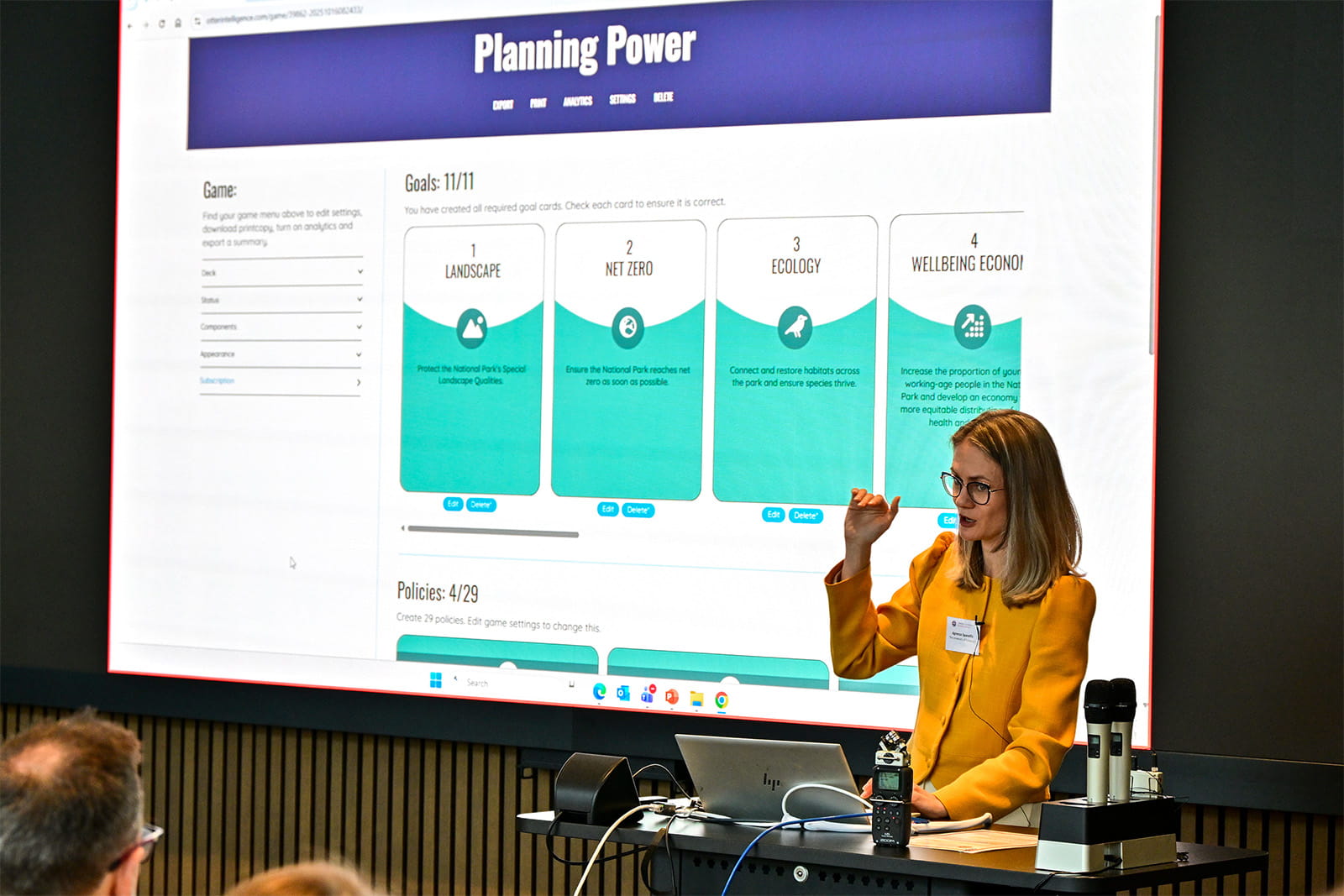
The game has three core components. Participants first prioritise goals, debating which outcomes matter most to their community. They then work through policy cards, each showing the positive, negative, or neutral impact a given policy has on each goal. Finally, wild cards allow participants to write their own policy if they feel something important is missing. An accompanying website at otterintelligence.com allows organisations to build their own custom deck and download print-ready artwork, making the game fully customisable to any policy context.
Impact from real communities
Cairngorms National park
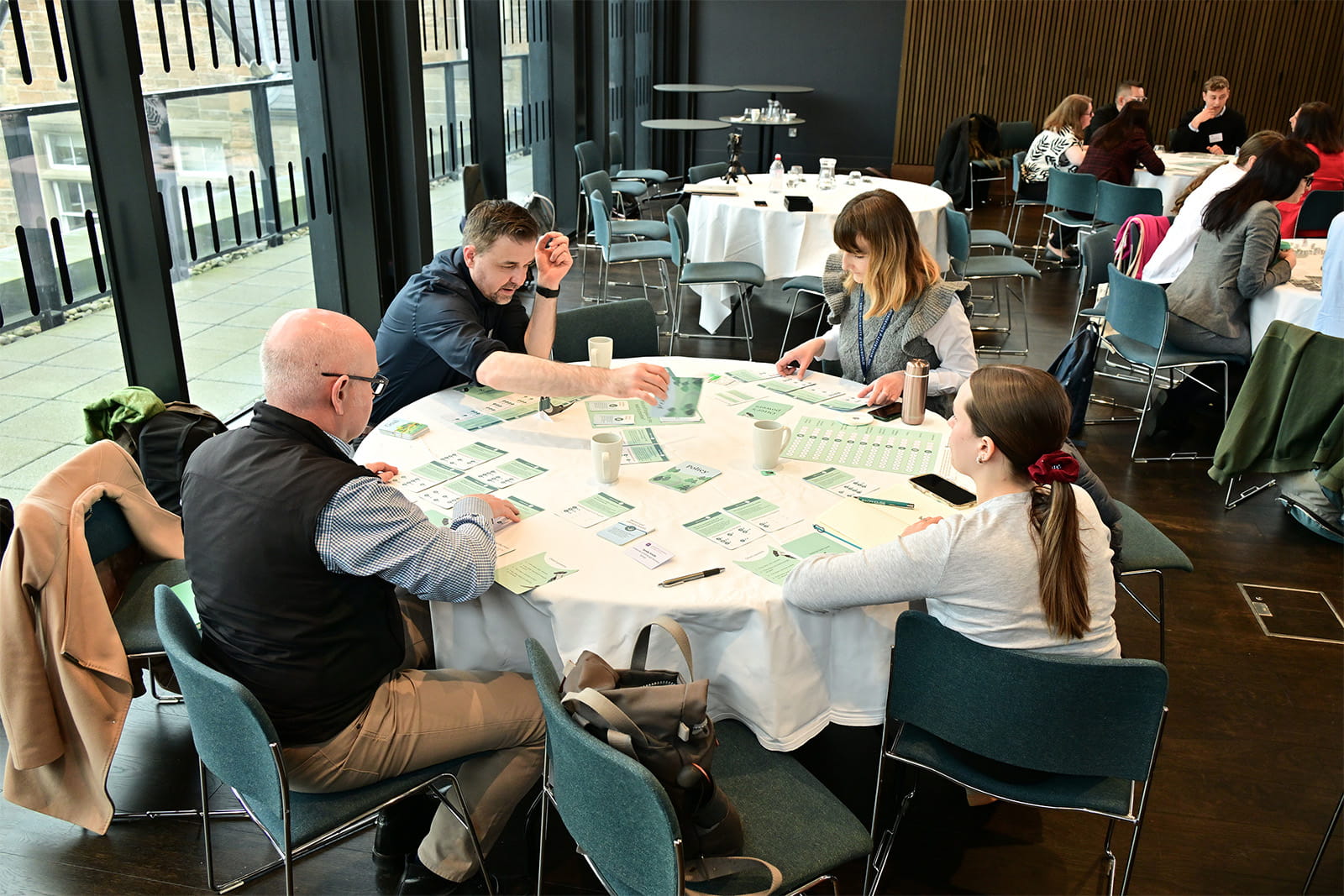
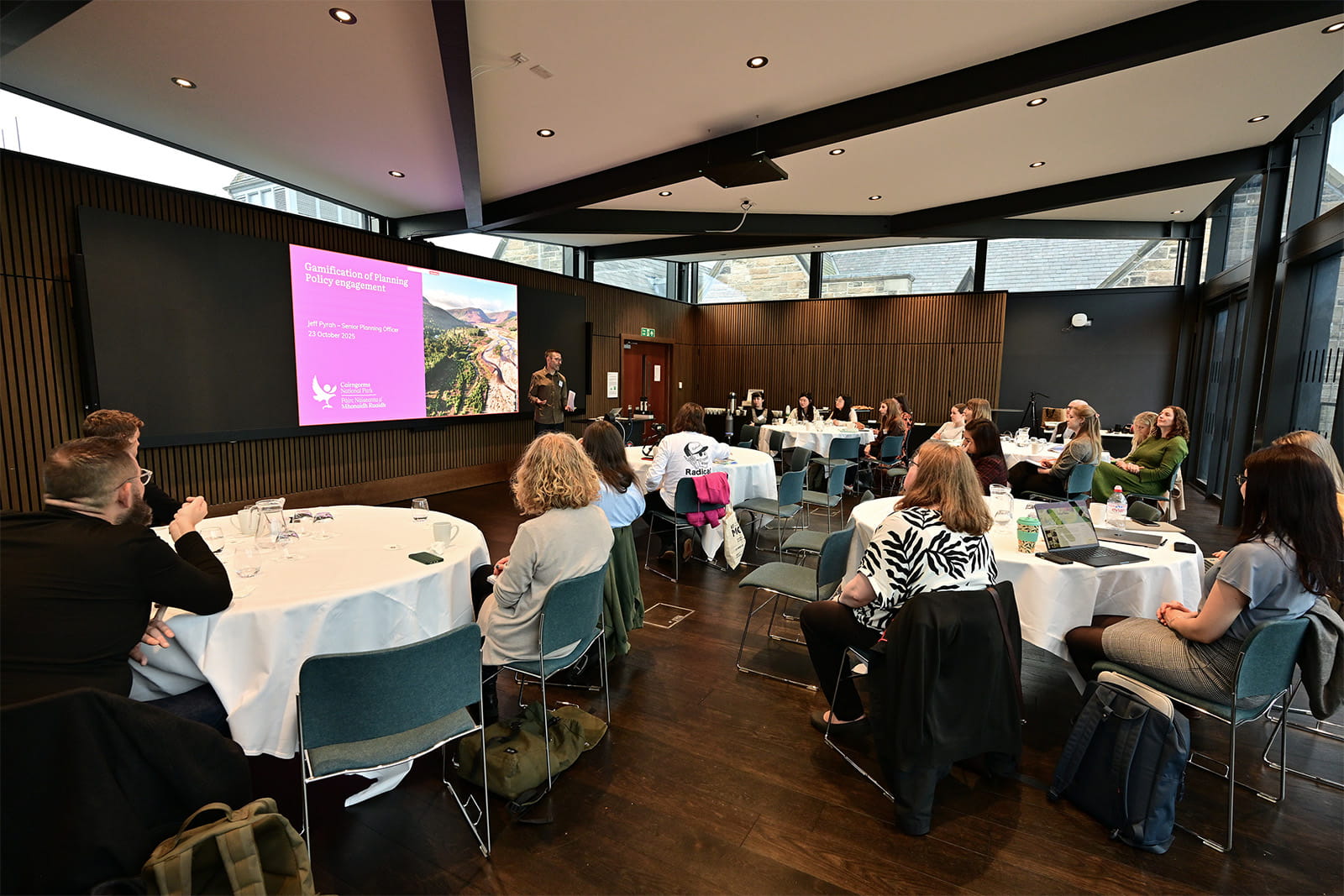
Jeff Pyrah described the deployment of Otter Intelligence as part of the Cairngorms Local Development Plan process. Working with a 172-page Partnership Plan and a 160-page Scottish National Planning Framework, the team distilled 35 policies into 11 goal cards and a set of policy cards, each reduced to a headline and a single sentence. Thirty-six residents gathered for two hours of gameplay, debating housing, nature, energy, and community needs, with a 360° microphone on each table capturing conversations for AI analysis.
Results:
- 5/5 participant satisfaction
- Younger and first-time contributors participated
- Insights fed into the Local Development Plan
You could feel the energy in the room, and people learning from each other.Jeff Pyrah, Senior Planning Officer, Cairngorms National Park Authority
Lake District National Park
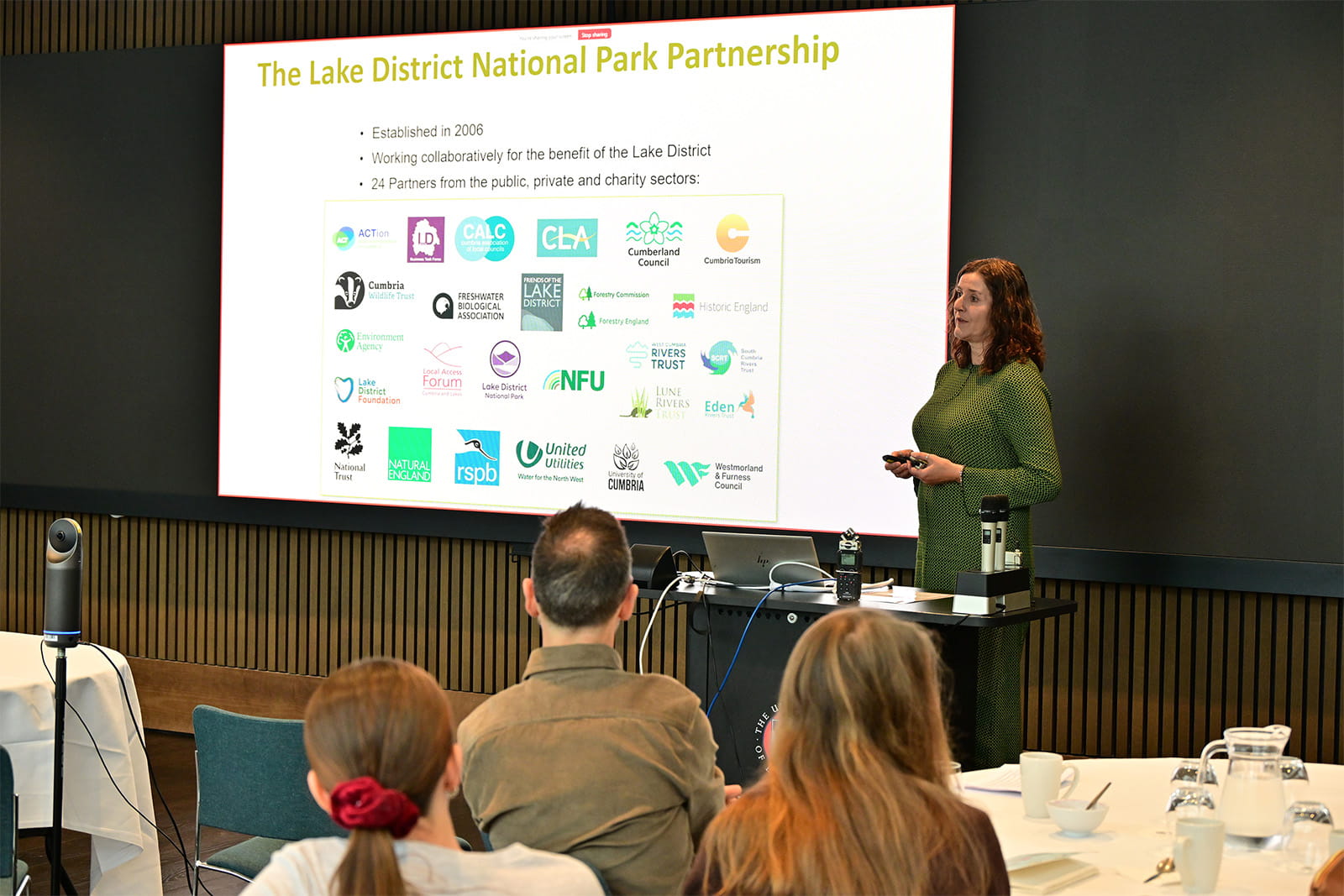
Veronica Fiorato described how the Lake District National Park Partnership used the game to broaden participation as part of its five-year planning cycle. Over 180 participants, including secondary school pupils and partner organisations, explored nature recovery, climate action, and community wellbeing. Students were passionate and deeply engaged, particularly on climate change, and zero negative feedback was received from any school session. Nature recovery and climate action were confirmed as the top priorities across both audiences, validating the direction of the draft plan.
Results:
- More diverse representation
- High enjoyment and perceived value
- Usable qualitative evidence for strategic planning
A massively different way to engage people, and really fun.Veronica Fiorato, Partnership Manager, Lake District National Park Partnership
The AI analysis engine
Adam Chalmers presented the AI system built to process consultation data, framing the ambition simply: to make human discussion both analyzable and actionable. Built as a Retrieval Augmented Generation (RAG) architecture rather than a standard chatbot, the system vectorises game session transcripts to create a grounded knowledge base, ensuring all responses are verifiable against the actual conversation data. Adam demonstrated three core capabilities:
- Sentiment analysis and topic modelling. Automatically classify the emotional tone of conversations and identify the latent themes participants are discussing beyond what is written on the cards. In the Cairngorms sessions, six latent topics were discovered, including environment and water, carbon, and the local economy.
- Policy and goal filters. Focus the analysis on a specific policy or goal card, activating an additional semantic layer built around what that policy means in context, with smart prompts suggesting tailored queries such as stakeholder alignment checks or policy summaries.
- Automated report generation. Generate a full consultation report across all uploaded transcripts, covering executive summary, sentiment analysis, topic modelling, and thematic findings, editable and exportable as a standalone document.
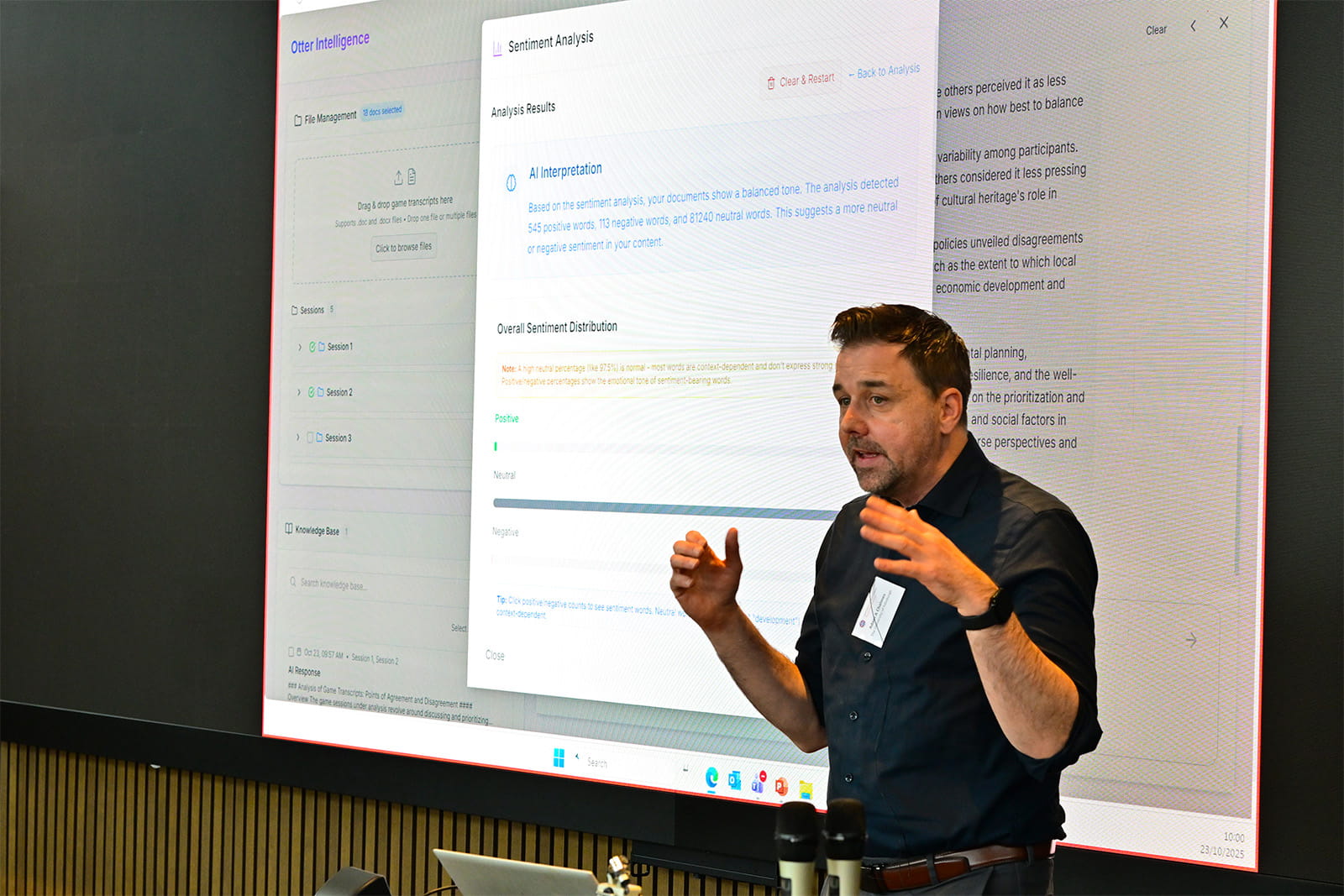
Our goal is to make conversations analyzable and actionable.Adam Chalmers, Senior Lecturer, University of Edinburgh
Adam also outlined the next planned development: an AI player that could join or replace human participants in the game, making consultation accessible to people who cannot attend a physical session in person.
Get in touch
Otter Intelligence blends play, dialogue, and AI-driven insight to help organisations make decisions that truly reflect community needs. They work with councils, national parks, schools, and community partners.