Why systems thinking matters
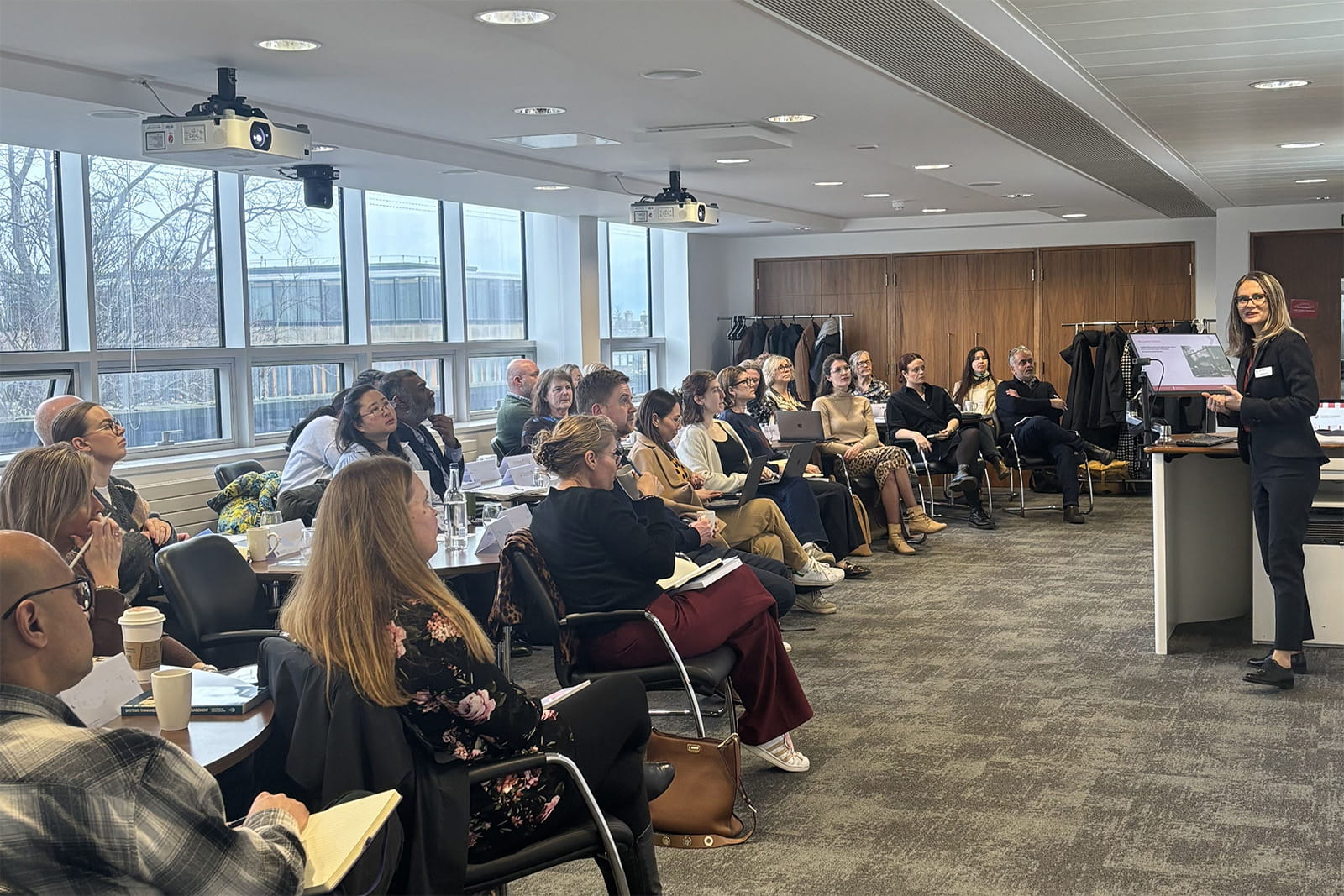
Agnessa opened the session by explaining why systems thinking remains so important in business and public life. The presentation argued that organisations still tend to approach problems, responsibilities, and processes in silos, even though systems thinking has been around for more than 70 years. Many people still see it as too abstract, making it difficult to apply in everyday work and decision-making.
To illustrate the importance of seeing the whole system, the session used an example from mosquito control. A pesticide intervention intended to solve one health problem triggered a chain of unintended consequences elsewhere in the ecosystem, eventually contributing to rat population growth, damage to grain storage, and outbreaks of plague. The example highlighted a core message of the event: when we intervene in complex systems without understanding interconnections, we often create new problems while trying to solve existing ones.
What is a system?
The session then introduced the basics of systems thinking. A system was defined as a collection of interacting parts, components, or actors whose interactions create behaviours and properties that cannot be explained by looking at each part separately. Attendees were encouraged to think about computers, humans, companies, and society through this lens.
The presentation explored several key concepts:
- Inputs and outputs: systems process inputs and produce outputs
- Resources: systems consume time, energy, and other assets
- Controls: expectations and standards shape how systems function
- Performance: systems can be judged through effectiveness, efficiency, and efficacy
A further section introduced interconnections and feedback loops, using a simple bank balance and interest example to show that causality in systems is often circular rather than linear. This provided a foundation for understanding why organisational issues can persist, escalate, or reinforce themselves over time.
Hard and soft systems thinking
The event also examined the distinction between hard and soft systems. This part of the session emphasised that different types of problems require different modes of thinking. Some challenges can be structured and analysed in measurable terms, while others involve people, interpretations, competing interests, and ambiguity. Understanding that distinction is essential if organisations want to use the right methods to address complex business realities.
From engagement to involvement
One of the most thought-provoking ideas in the session was the claim that, in recent years, organisations have seen a shift from engagement to involvement, driven in part by fragmented attention and the difficulty of sustaining focus on complexity. The presenters suggested that this can make it harder for people to understand interconnectedness and see the bigger picture.
The session then explored what gamification can do to counter that challenge. According to the presentation, well-designed gamified approaches helped everyone engage in the process, encouraged participants to speak to one another, led to more nuanced comments, surfaced trade-offs, and increased awareness of other people’s interests.
Business case studies
The event grounded these ideas in practice through a series of case studies.
High turnover and operational costs
One example focused on the cost of high turnover, comparing permanent and agency staff. The slides showed differences in cases handled, training periods, and cost per case, illustrating how staffing structure can influence overall system performance. Permanent staff were shown with a lower cost per case than agency staff, reinforcing the need to think systemically about workforce design rather than treating staffing gaps as isolated issues.
Gamified performance boards
A second example demonstrated the impact of a gamified performance board. The presentation reported an increase in pickup rates and described several qualitative improvements: targets became clear and transparent, operators spoke more with each other and with frontline managers, and frontline managers better understood the story behind the numbers and could communicate that upwards to senior leaders.
From complexity to simplification
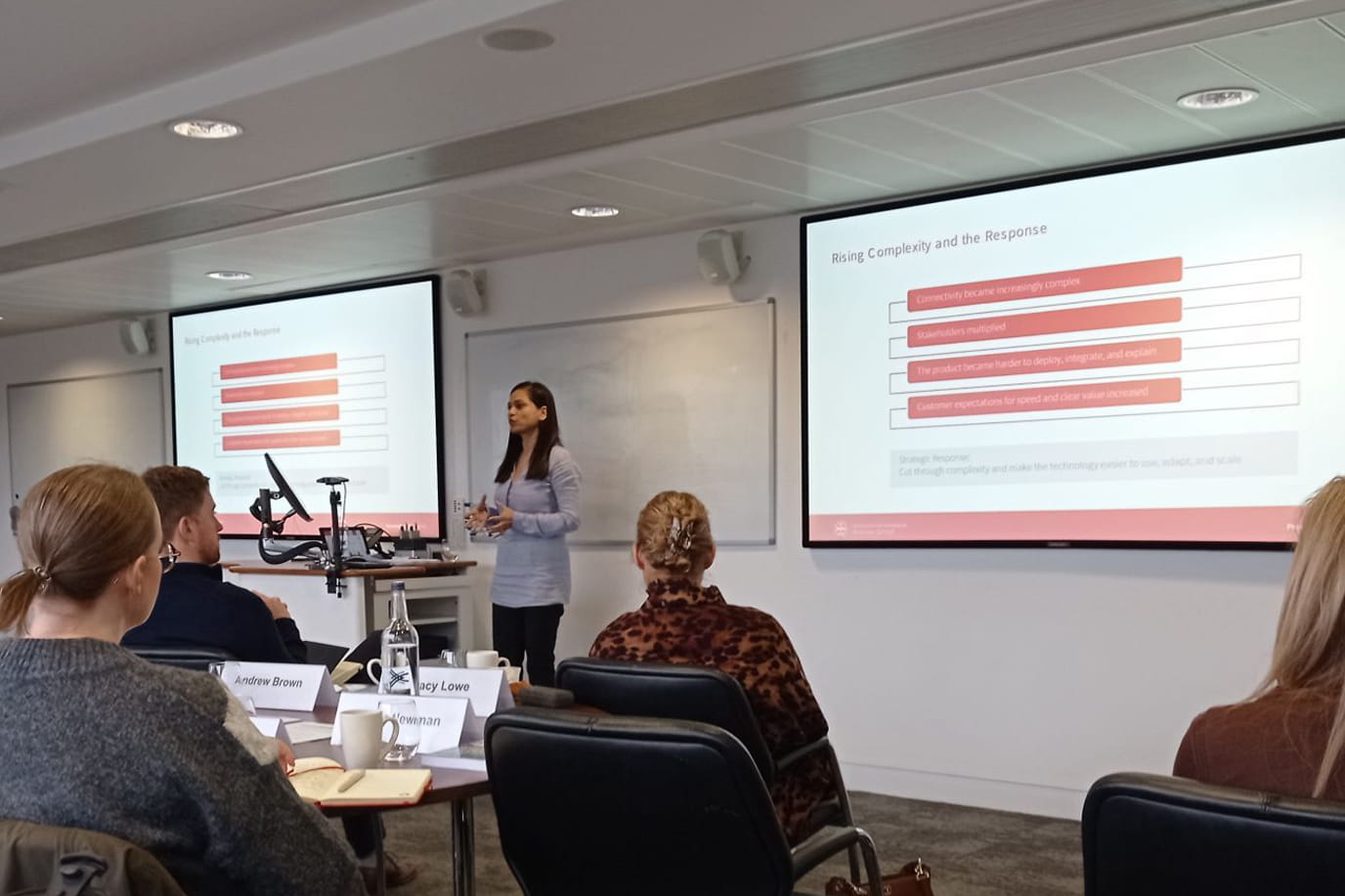
Another business case focused on organisational complexity and the need to simplify work. The slides noted that approximately 60% of a knowledge worker’s time is spent on “work about work.” In response, the presenters described a strategic shift: making complexity visible, identifying recurring friction, and asking where effort outweighs value.
The result was visible change in organisational direction, behaviour, and execution, along with a clearer principle of making work “easy to use” for employees and customers alike.
Introducing the Variable Systems Model
The second half of the breakfast session moved into Beer’s Viable Systems Model. Attendees were introduced to the idea that a viable system is one that can self-produce, meaning it can renew and sustain its own parts over time. This made viability a practical concept for organisations that need not only to perform, but to adapt and remain resilient.
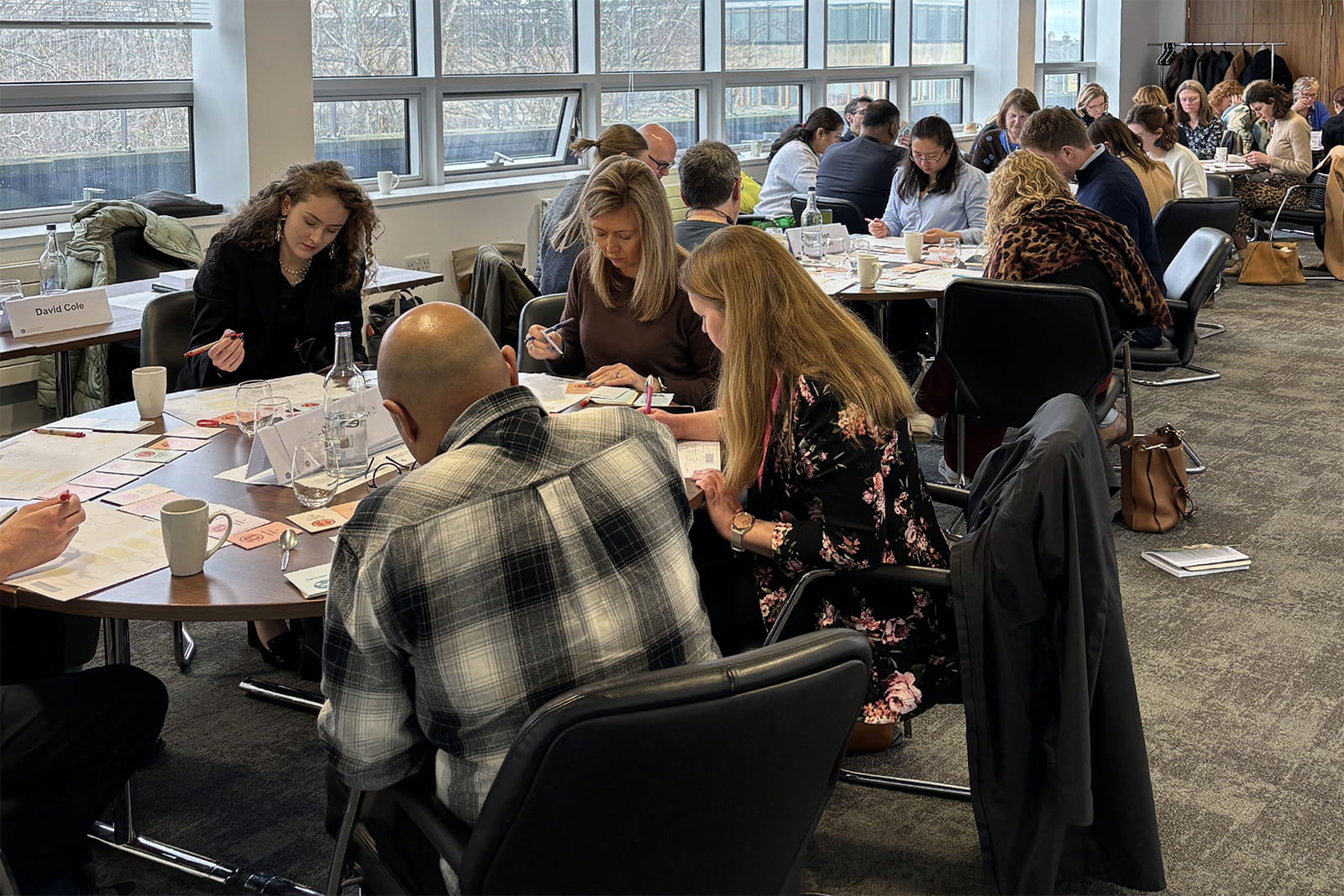
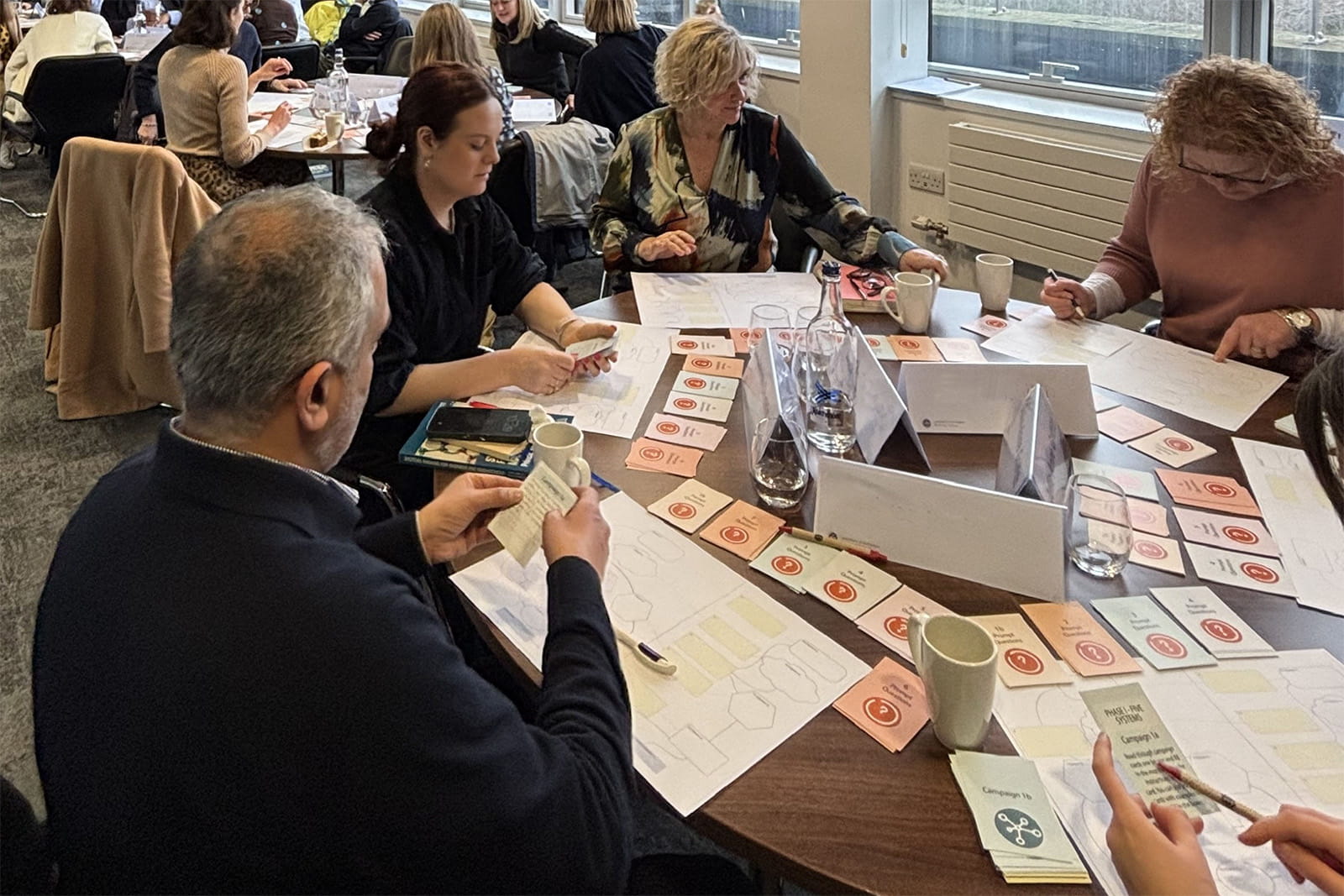
The presentation also introduced recursion, the idea that the same system structure is replicated at different levels and that those levels are connected. Participants were invited to work through exercises using templates and campaign cards, first focusing on one area of a system and then exploring the same patterns beyond that boundary.
This hands-on structure helped turn theory into practice, allowing attendees to map, discuss, and interpret systems rather than only hearing about them.
A practical message for business
The breakfast event made a clear case that systems thinking is not just an academic framework. It is a practical discipline for leaders, teams, and organisations trying to navigate complexity. Whether the challenge is turnover, performance, collaboration, or strategy, the session showed that better outcomes come from seeing relationships, loops, and structures rather than isolated symptoms.
By combining foundational ideas, participatory methods, and the Viable Systems Model, the session offered a useful introduction to how organisations can become more reflective, more adaptive, and ultimately more viable.
Get in touch
The Breakfast Event introduced attendees to systems thinking as a practical way to understand complexity, improve collaboration, and support better organisational design. If you are interesting in exploring opportunities with us, contact us here.