- Calendar
- Thursday 15 October 2026
- Clock
- 12:00–13:00
- Navigate
-
Online
- Microphone
- Ben Hanson
Overview
When it comes to cybersecurity, we often assume the right technology can keep systems safe and that breaches are rare, isolated incidents, usually blamed on “human error”. Agentic AI challenges that story. As AI systems begin to take actions and make decisions, the risk landscape changes dramatically. The question becomes: can we really de-risk these systems with “good enough” technology?
In this webinar, we’ll be joined by Ben Hanson, Global Field CSO at Zenity, to explore the mental models and unwritten assumptions built into many security approaches and what happens when those assumptions no longer hold. We’ll look at the risks that emerge when agentic AI is introduced, and why the belief that we can fully control or predict the behaviour of such agents may be a myth. The webinar will be hosted by Agnessa Spanellis, director of Gamification and Systems Thinking Lab.
What we’ll cover
- The hidden assumptions shaping cybersecurity design today
- How agentic AI changes the nature of security risk
- Why “control” and “predictability” may be the wrong goals for AI agents
- What it means to move from static controls and guardrails to governing agency
Who should attend
Security leaders and practitioners, risk and governance professionals, technology leaders, and anyone working with (or planning to deploy) agentic AI.
Note: This is the first in a series of webinars focusing on different aspects of Systems Thinking and Gamification. If you would like to receive updates about these sessions, please consider subscribing to our mailing list: Executive Education Newsletter Signup.
For more information on how we process your data, please visit our Privacy Policy.
Speakers
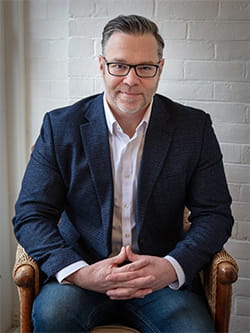
Ben Hanson
Ben Hanson is a globally recognised security strategist with 25+ years’ experience, including roles at Microsoft, the Bank of England, and NatWest Group. At the cutting edge of agentic AI security, he advises CSOs and security teams at some of the world’s most sophisticated organisations on how to adapt to this fundamentally different challenge.